Inside The 900 Year-Old Church at Old Bewick SAVED From Collapse
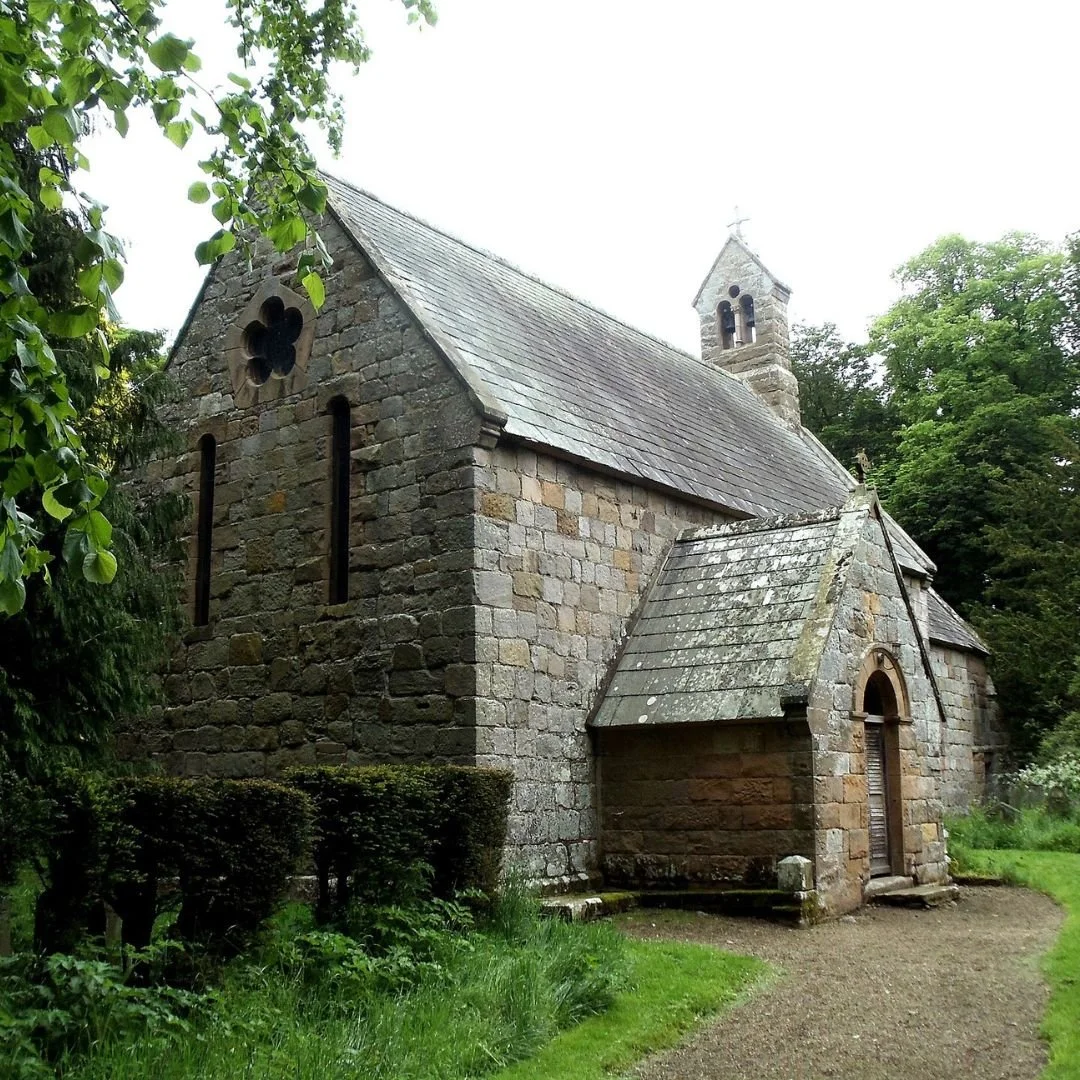
This 900 year old church is one of the loveliest churches in the country.
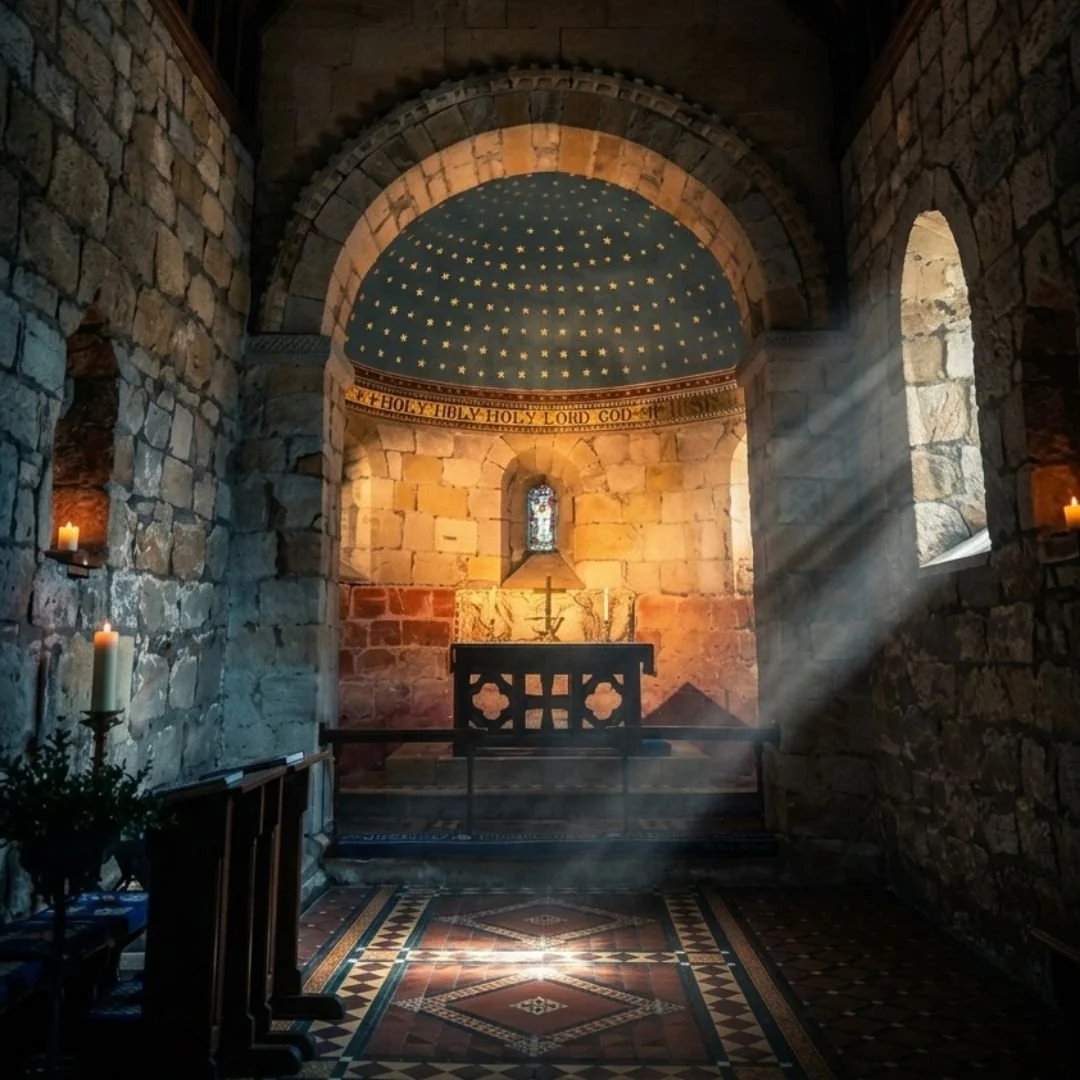
Tucked away in Northumberland it's one of the finest and most intact examples of a small Norman church in Northumberland, complete with a rare semi-circular apsidal.
The story of Holy Trinity Church at Old Bewick begins in the early 12th century, but its foundations suggest an even deeper connection to the past.
The very lowest courses of the nave walls contain massive, stone blocks that indicate either Anglo-Saxon origins or the recycling of ancient Roman masonry.
According to historical tradition, the manor of Old Bewick was granted to the monks of Tynemouth Priory around 1107 by Queen Maud, the wife of King Henry I of England.
This grant was an act of familial devotion; Maud’s father, King Malcolm III of Scotland, had been killed at the Battle of Alnwick nearby in 1093 and was buried at Tynemouth.
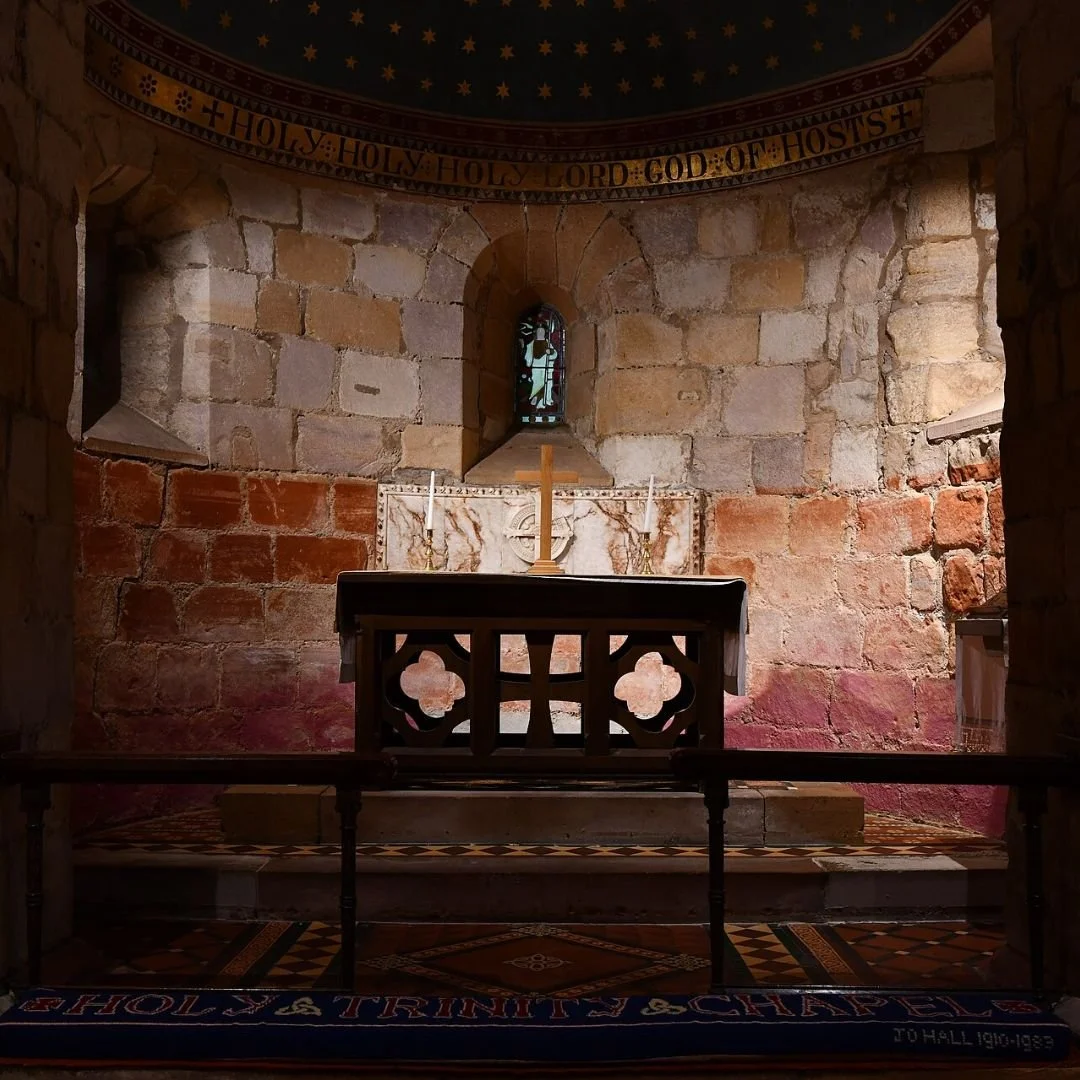
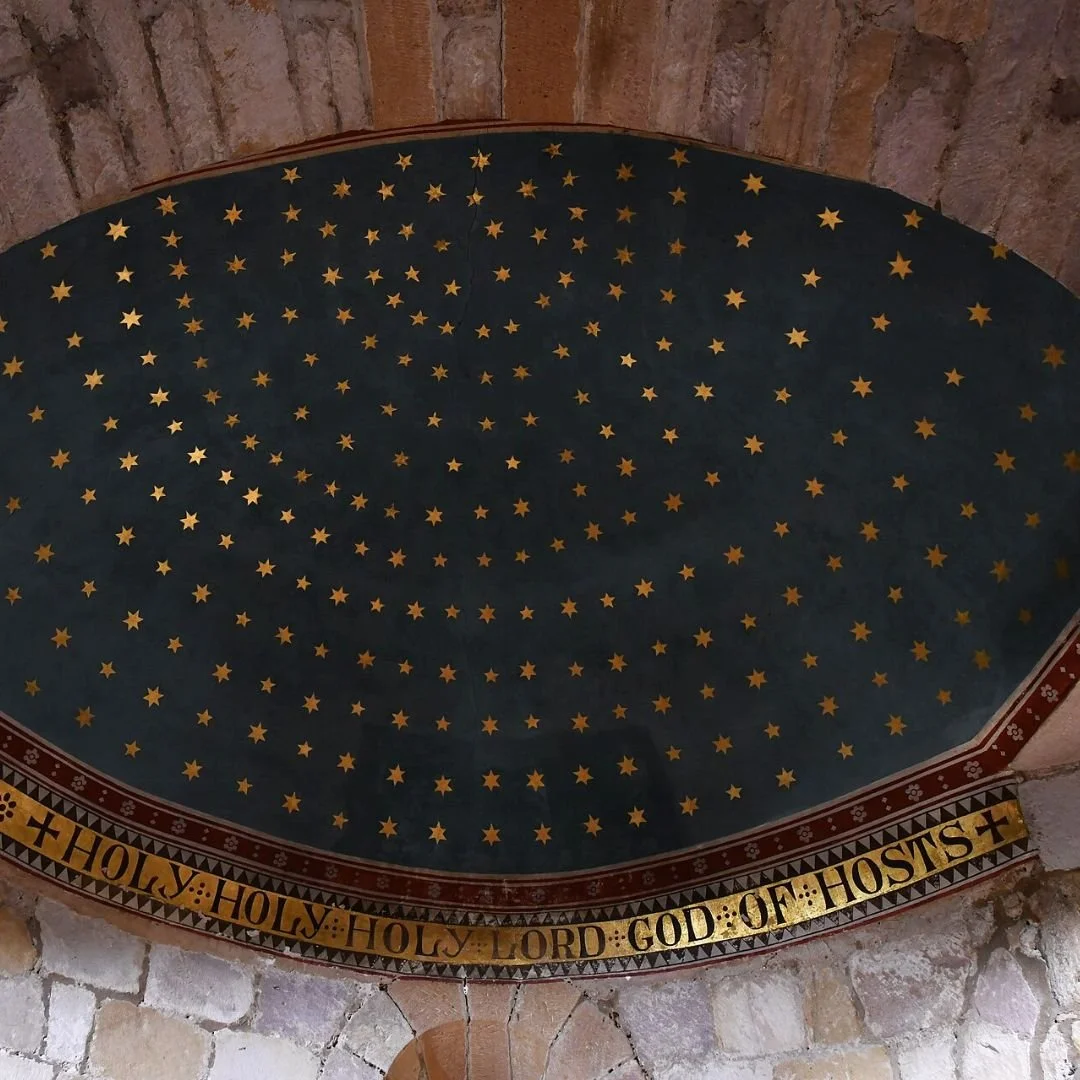
To honour his memory, the monks constructed the substantial Romanesque church that stands today, completing it around 1110 with a traditional Norman two-cell layout featuring a nave, a chancel, and a rare semicircular eastern apse.
Because of its precarious geographical position in the heart of the Anglo-Scottish Marches, the church spent the next several centuries caught in the crossfire of relentless border warfare.
It was severely damaged during Scottish raids in the late 13th century, requiring a massive reconstruction effort in the mid 14th century.
It is from this medieval rebuilding period that the church features a worn stone effigy of a woman lying within the chancel wall, widely believed by historians to represent the wife of the local patron who funded the repairs.
By the late 15th century, the community had added a belfry or tower to the structure, evidenced by a church bell dating to 1483 that was later uncovered in the ruins, which was likely a lookout point and a place of refuge from the notorious Border Reivers.
The most catastrophic blow to the medieval church came in 1640 during the Bishops' Wars, when invading Scottish troops under General Lesley thoroughly devastated the building.
Though the Lord of the Manor, Ralph Williamson, funded a major restoration of the nave and added the south porch in 1695, this recovery proved tragically short lived.
Just a few decades later, a violent storm tore the roof completely off the structure.
The local parish was entirely unable to afford the immense cost of repairs, and the building was abandoned to the elements.
For well over a hundred years, Holy Trinity stood as a roofless, romantic ruin.
Trees grew inside the nave and ivy choked the walls, though the local community steadfastly refused to abandon the site entirely, continuing to bury their dead in the open-air churchyard.
The church owes its modern survival to John Cunningham Langlands, a dedicated local farmer and antiquarian who lived at Old Bewick Farm during the 19th century.
In 1866, Langlands spearheaded and largely financed a meticulous restoration to rescue the historic structure from total collapse.
The Victorian architects he employed showed remarkable restraint for their time, choosing to reroof the building and stabilise the masonry rather than modernising it.
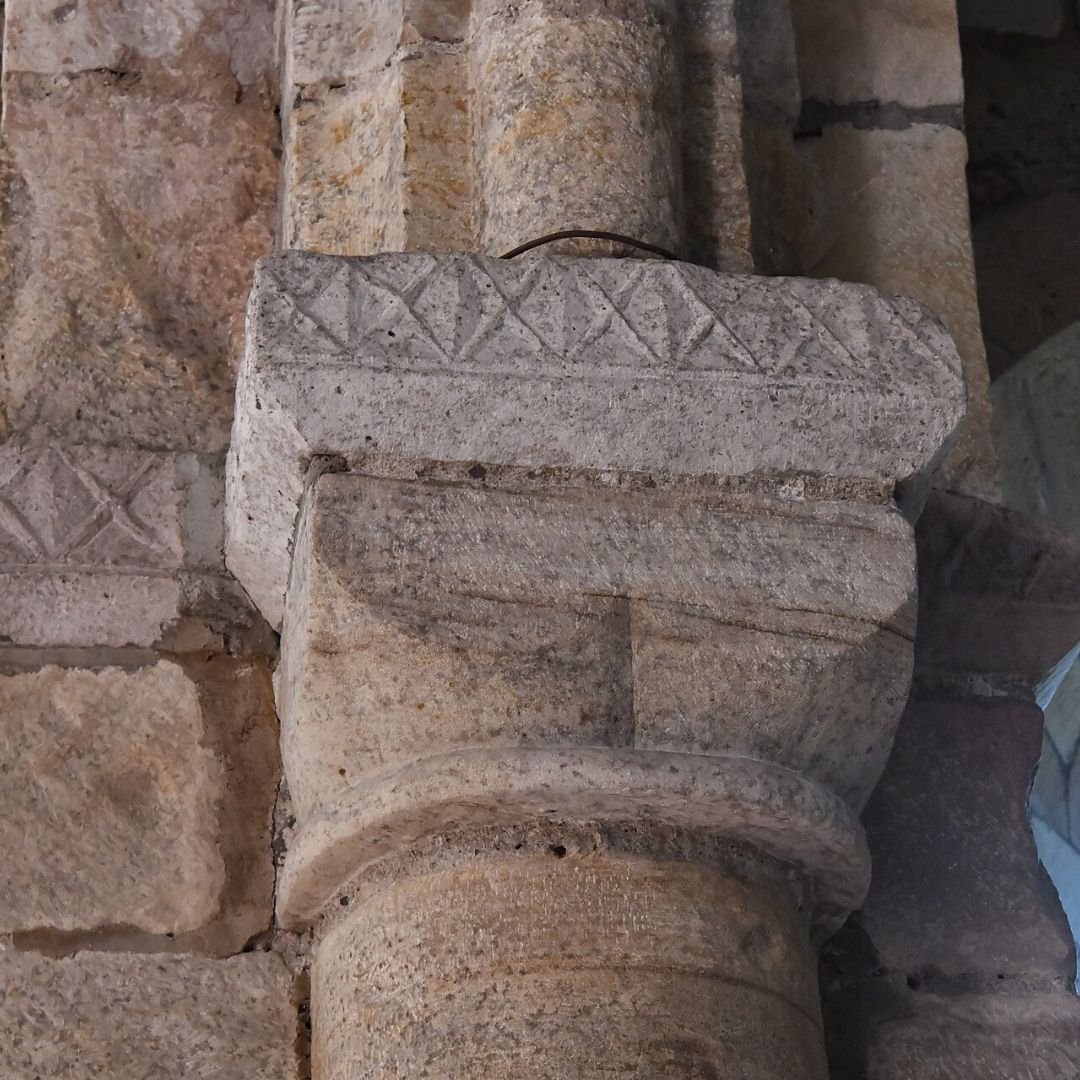
They preserved the rare Norman apse and the magnificent 12th century chancel arch, which features primitive, enigmatic carvings of grinning faces flanking a stylised tree.
Reopened for worship in 1867, Holy Trinity stands today as a fully restored, active parish church, having successfully weathered centuries of warfare, storms, and total neglect.
If you enjoyed this article, please follow Exploring GB on Facebook for more!
Thank you, and we hope to see you here again soon!