The Incredible 8,000-Mile Rescue of the SS Great Britain
The SS Great Britain was once towed 8,000 miles across the Atlantic Ocean in a remarkably rescue mission.
Once the world's largest ship, the historic vessel was abandoned in the Falkland Islands for more than 30 years before it returned to Bristol for extensive repairs.
It's considered the most challenging ship rescue ever attempted.
This, is her incredible true story.
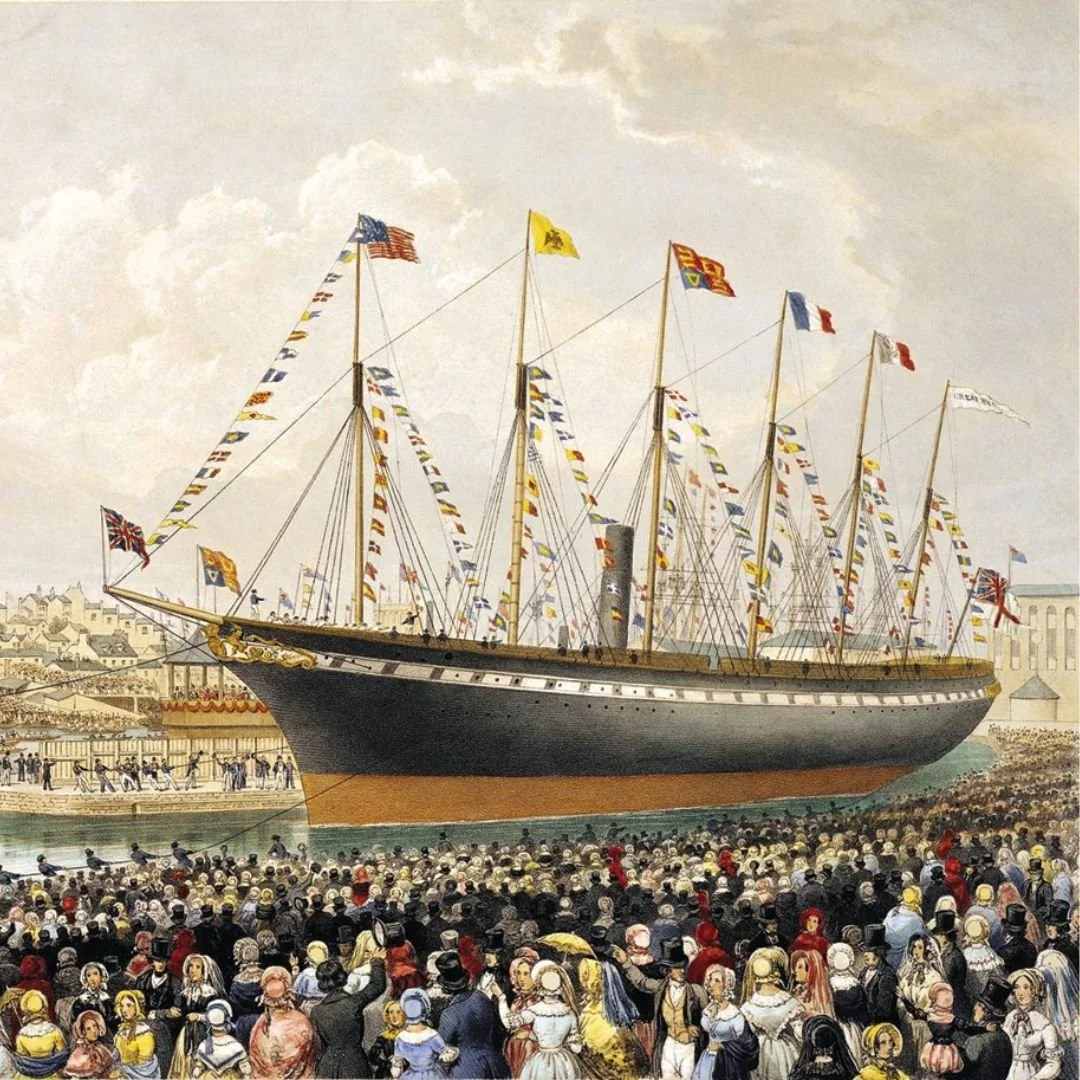
When the SS Great Britain was launched in Bristol in 1843, she was known as ‘the greatest experiment since the Creation.’
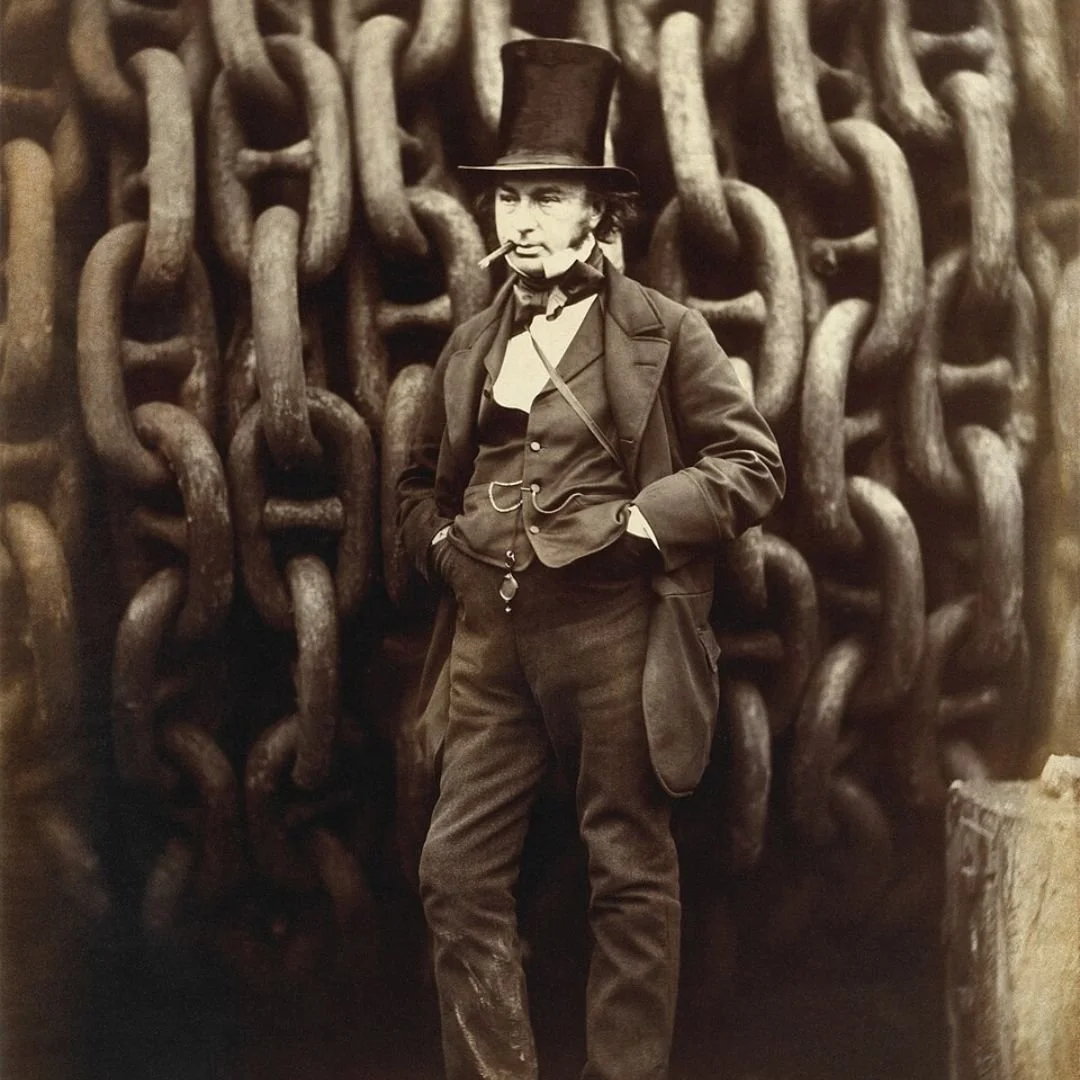
Designed by the legendary Victorian engineer Isambard Kingdom Brunel, she was a ship of radical firsts.
She was the first ocean-going luxury liner made entirely out of iron, and the first to be driven by a massive, revolutionary screw propeller rather than traditional paddle wheels.
For decades, she was the world’s largest ship, reliably carrying thousands of immigrants across the globe to Australia and America.
However, time and the relentless sea are unforgiving.
By 1886, aging and severely damaged by a fierce storm off Cape Horn, the great ship was forced to take refuge in the remote Falkland Islands.
Deemed too expensive to repair, she was sold to the Falkland Islands Company, who utilised her hollow hull as a floating coal storage hulk.
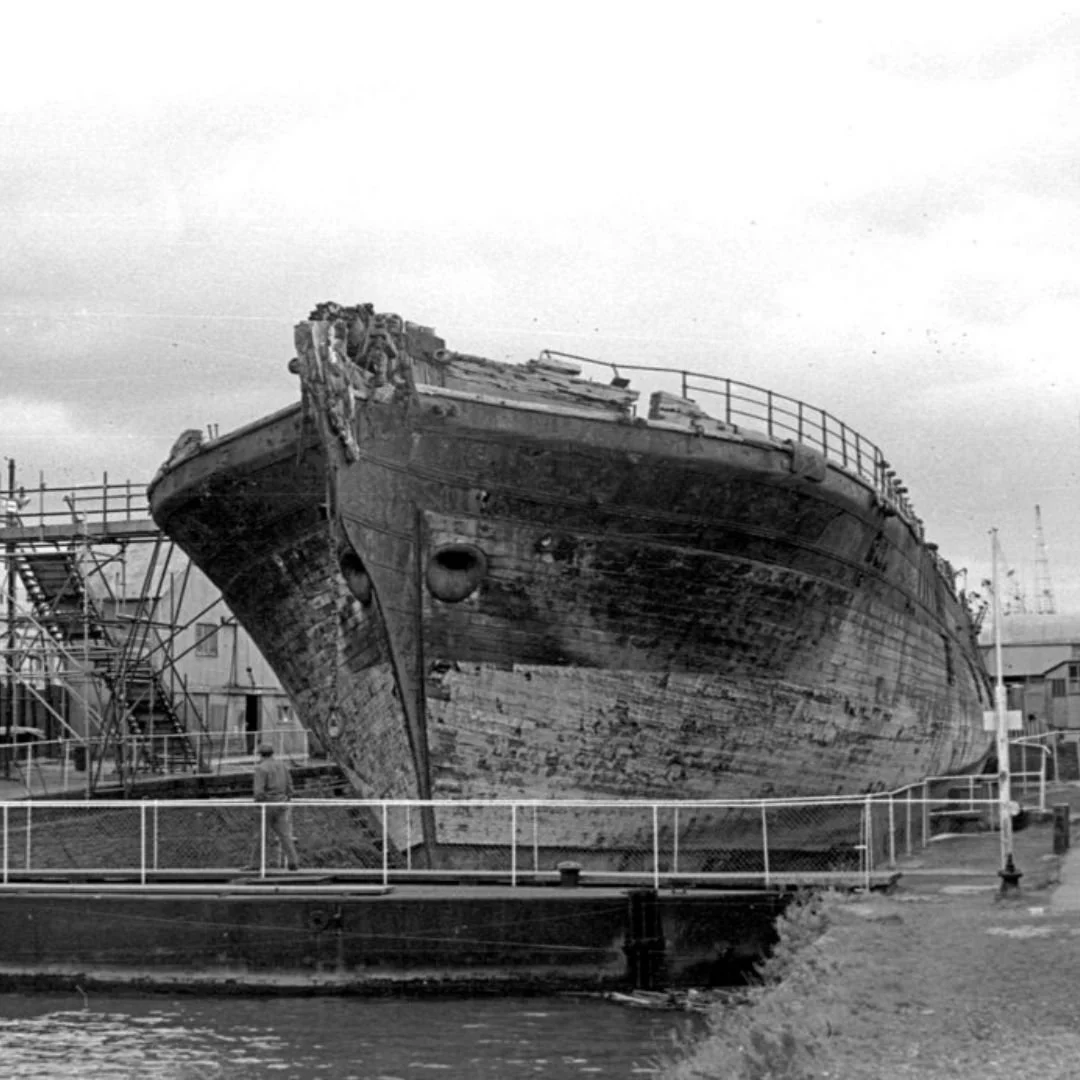
By 1937, even that utility was gone.
Her hull cracked and leaking, the once-proud icon of British engineering was towed to Sparrow Cove, intentionally scuttled, and abandoned to the mercy of the sub-Antarctic winds.
For more than 30 years, the SS Great Britain sat as a rusting ghost ship.
Her iron plates were severely corroded, and a massive vertical crack split her hull from the keel right up to the engine room.
Most marine experts declared her completely unsalvageable, believing that any attempt to move the ship would cause her to break in half and sink instantly into the freezing ocean depths.
Enter Ewan Corlett, a visionary naval architect who refused to let Brunel’s masterpiece vanish.
In the late 1960s, Corlett organised a rescue committee and secured the financial backing of millionaire philanthropist Sir Jack Hayward.
The terrifyingly ambitious blueprint began with refloating the fragile hull.
Divers patched the massive split using timber mattresses and soft mattress stuffing before pumping out thousands of tons of water, desperately hoping the iron plates would withstand the sudden pressure change.
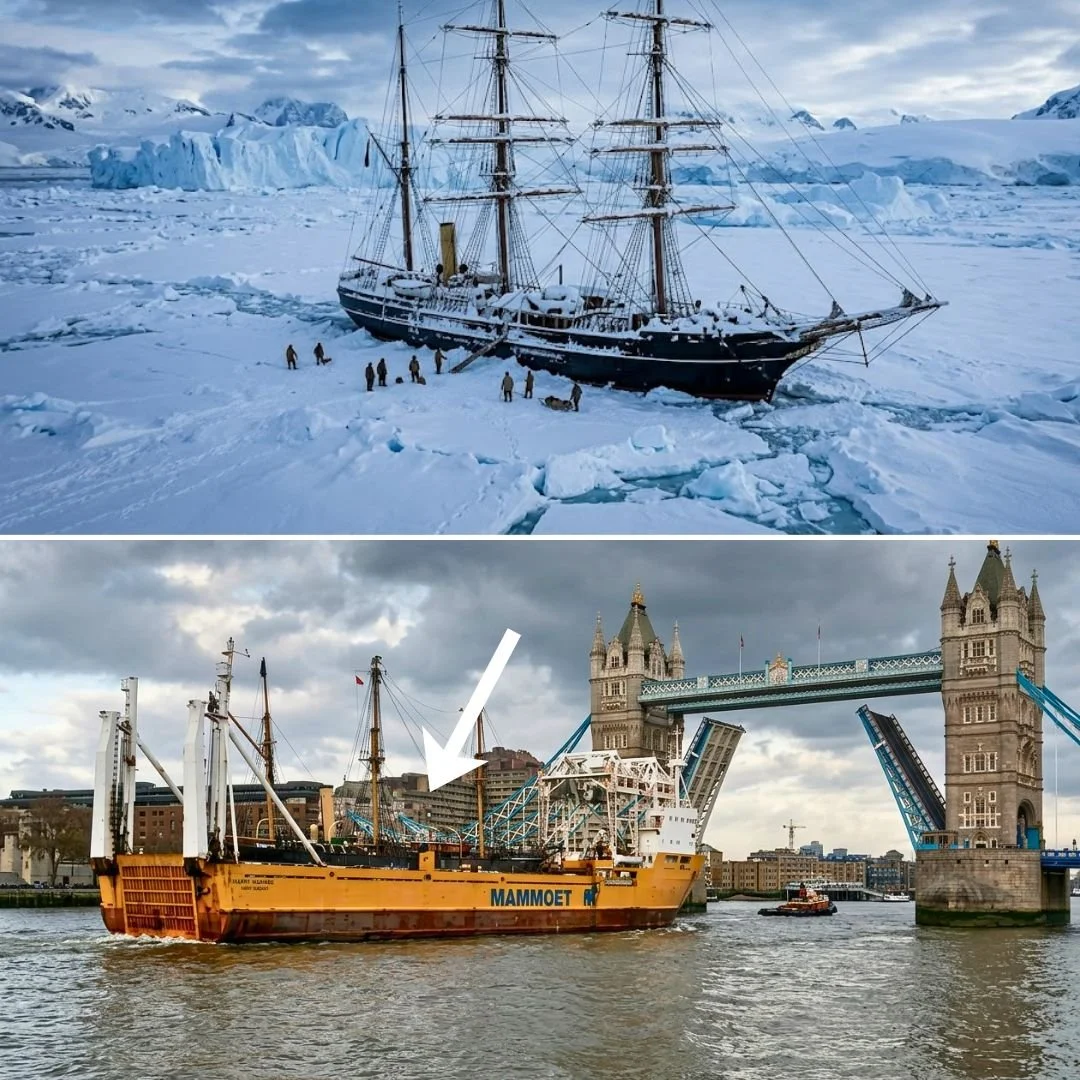
Instead of risks trying to tow the vulnerable ship through open waters on her own bottom, they utilised a massive submersible pontoon called Mactra.
The team successfully submerged the pontoon underneath the SS Great Britain, carefully lifting her completely out of the water to secure her safely on deck.
From there, a powerful German tugboat named the Varius II took on the monumental task of towing the pontoon and its priceless historic cargo up the entire length of the Atlantic Ocean.
The operation was plagued by violent Falkland storms that threatened to smash the ship against the rocks before the journey even began.
Yet, against all odds, in April 1970, the patched-up hull floated, the pontoon successfully lifted her, and the agonisingly slow 8,000-mile journey home commenced.
Moving at a painstaking crawl, the salvage team battled unpredictable ocean swells, equipment fatigue, and the constant fear that the structural integrity of the 127 year-old iron would give way.
Remarkably, the makeshift patch held.
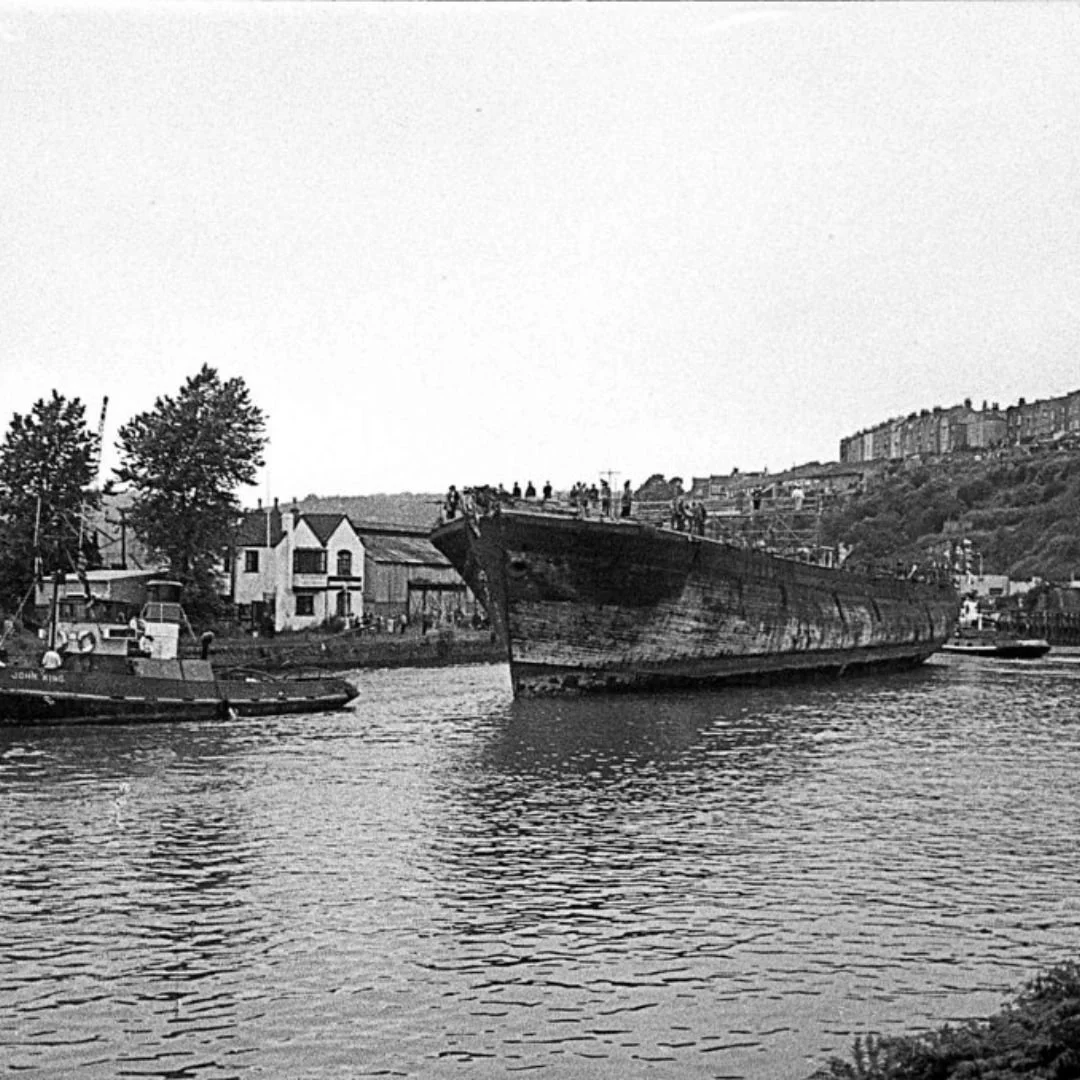
After nearly three months at sea, the convoy finally reached the shores of the United Kingdom.
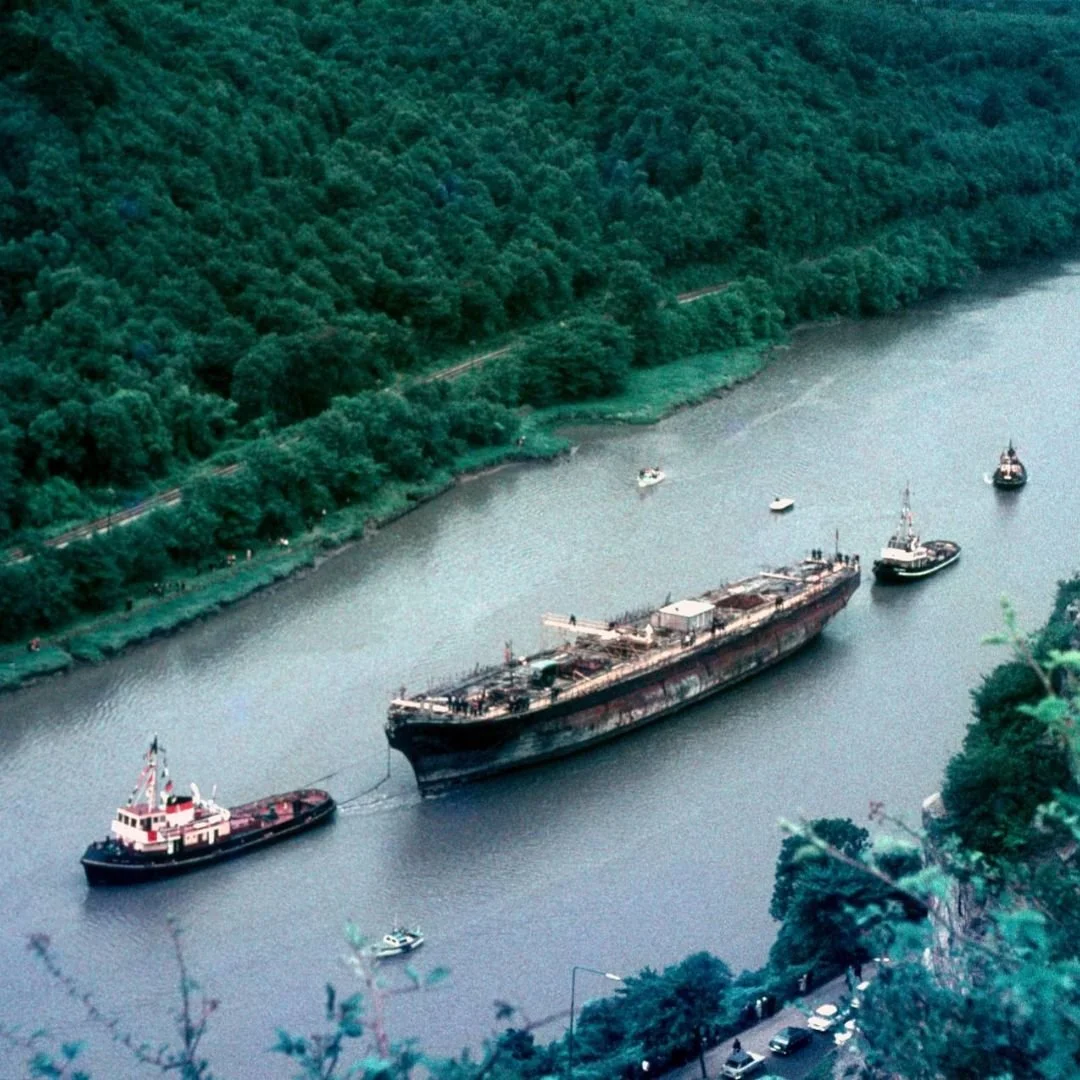
On July 5, 1970, the SS Great Britain made her dramatic entry into the Avon Gorge, passing under Brunel's other iconic masterpiece, the Clifton Suspension Bridge.
Tens of thousands of people lined the riverbanks, cheering and weeping as the rusted, mast-less giant floated home.
She was carefully guided back into the Great Western Dockyard, the very dry dock where she had been constructed more than a century prior.
However, a significant piece of her original anatomy was intentionally left behind in the sub-Antarctic.
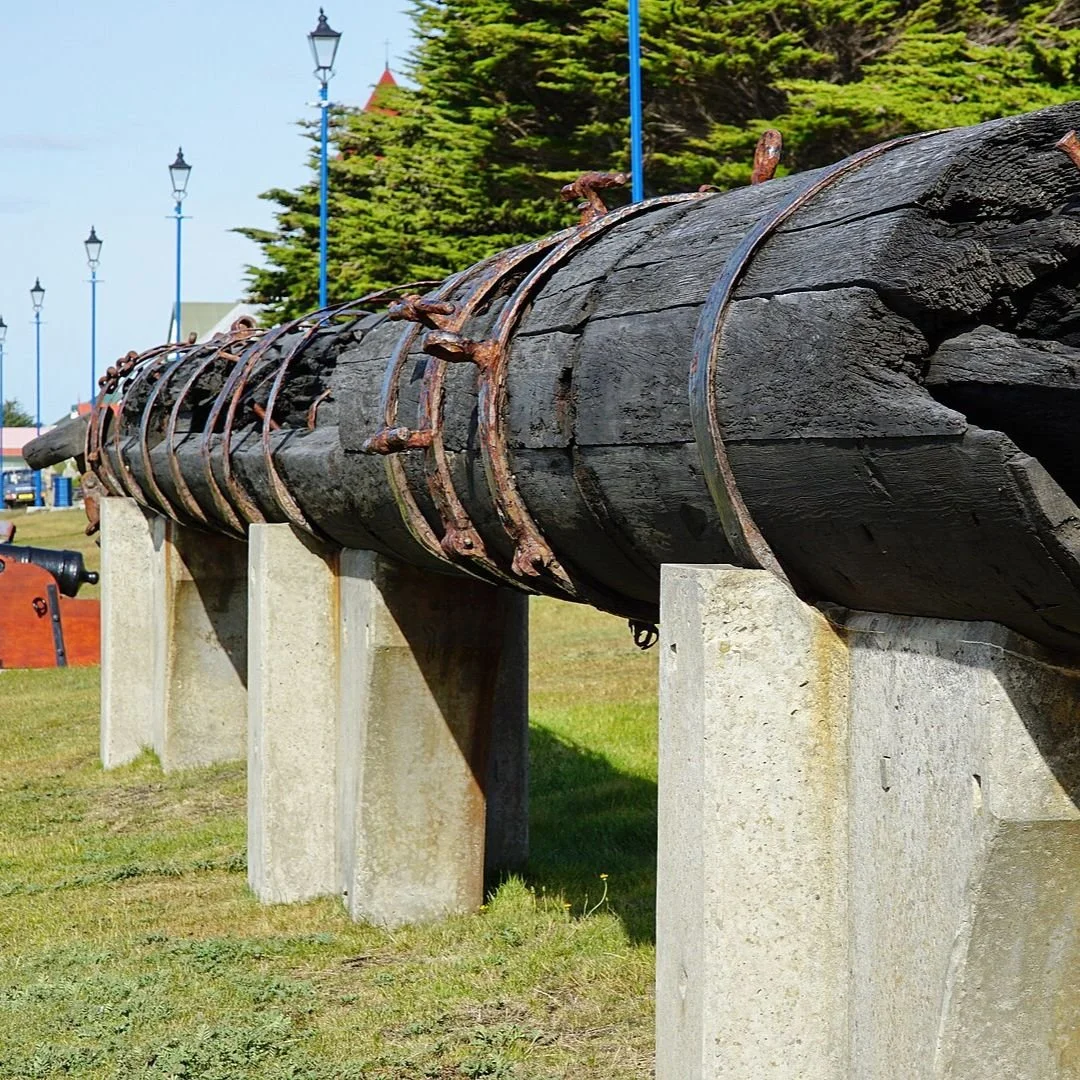
When the salvage team prepared the fragile, cracked hull for its historic tow, they had to strip away any excessive weight that could destabilise the ship or cause her to founder in heavy Atlantic swells.
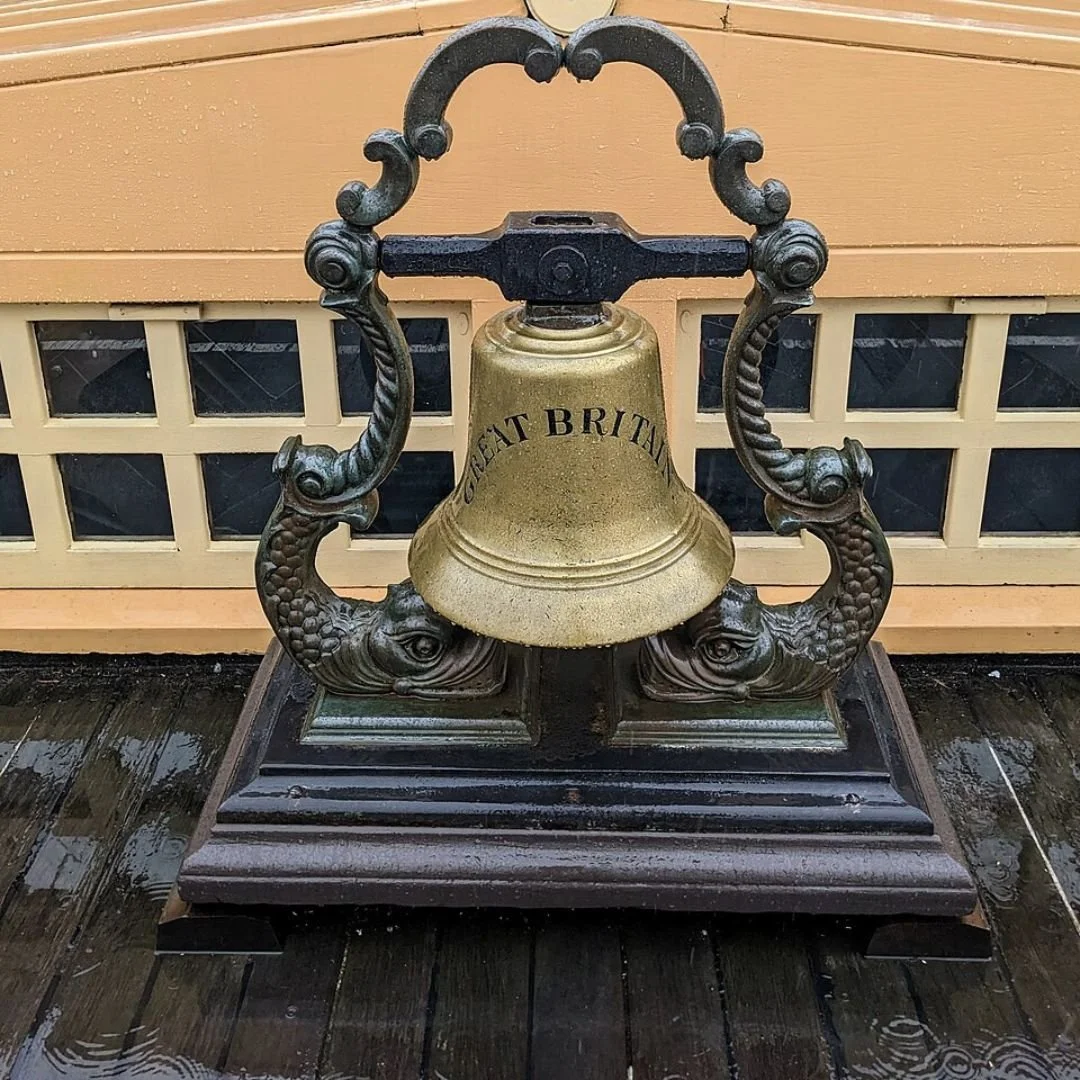
Among the items sacrificed was her original wooden mizzen mast.
The heavy mast, which had spent nearly a century weathering the brutal Falkland elements, was unstepped from the ship and left on the shore.
Rather than being left to rot in the mud of Sparrow Cove, the massive timber was rescued by the island's residents.
Recognising its immense historical value, the locals salvaged the artefact and transported it to the capital, Stanley, where it remains today.
Back in England, once the ship was docked, it required significant work to bring her back to her former glory.
Decades of exposure to salt water had saturated the iron hull, threatening a slow chemical destruction from the inside out.
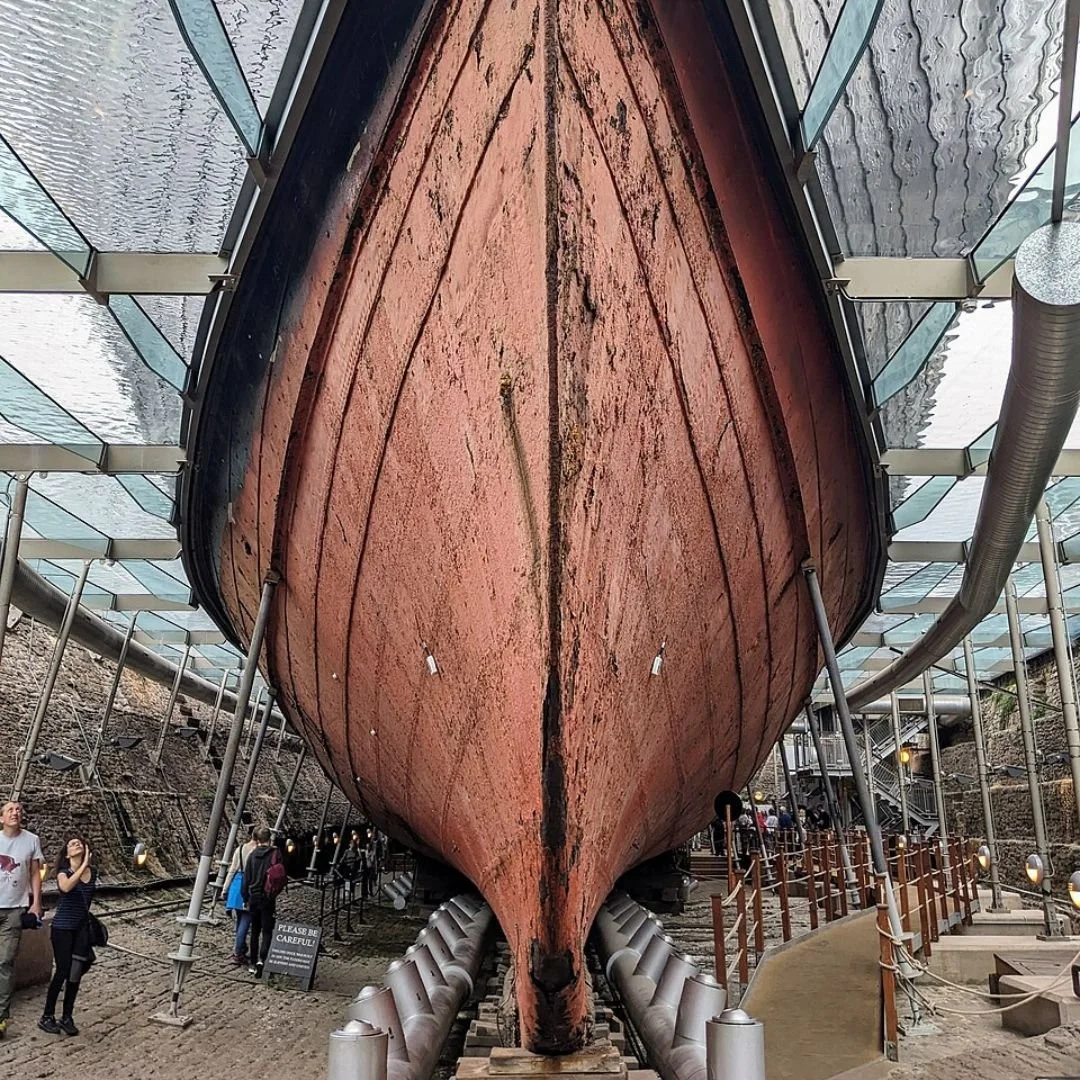
To combat this, preservationists built an award winning, state-of-the-art glass sea that seals the dry dock.
Beneath this glass roof, a massive dehumidification system keeps the air at a bone dry 20% humidity, the exact conditions required to stop the iron from rusting further.
Today, fully restored to her Victorian glory, the SS Great Britain sits proudly as Bristol's premier museum ship.
She remains a breathtaking monument not only to the engineering genius of Isambard Kingdom Brunel, but to the sheer grit, determination, and bravery of the salvage team that pulled off the greatest ship rescue in human history.
If you enjoyed this blog post, please follow Exploring GB on Facebook for more!
Thank you for visiting Exploring GB! :)